Sweet and Savory Choices at Cuban Bakery Aurora CO
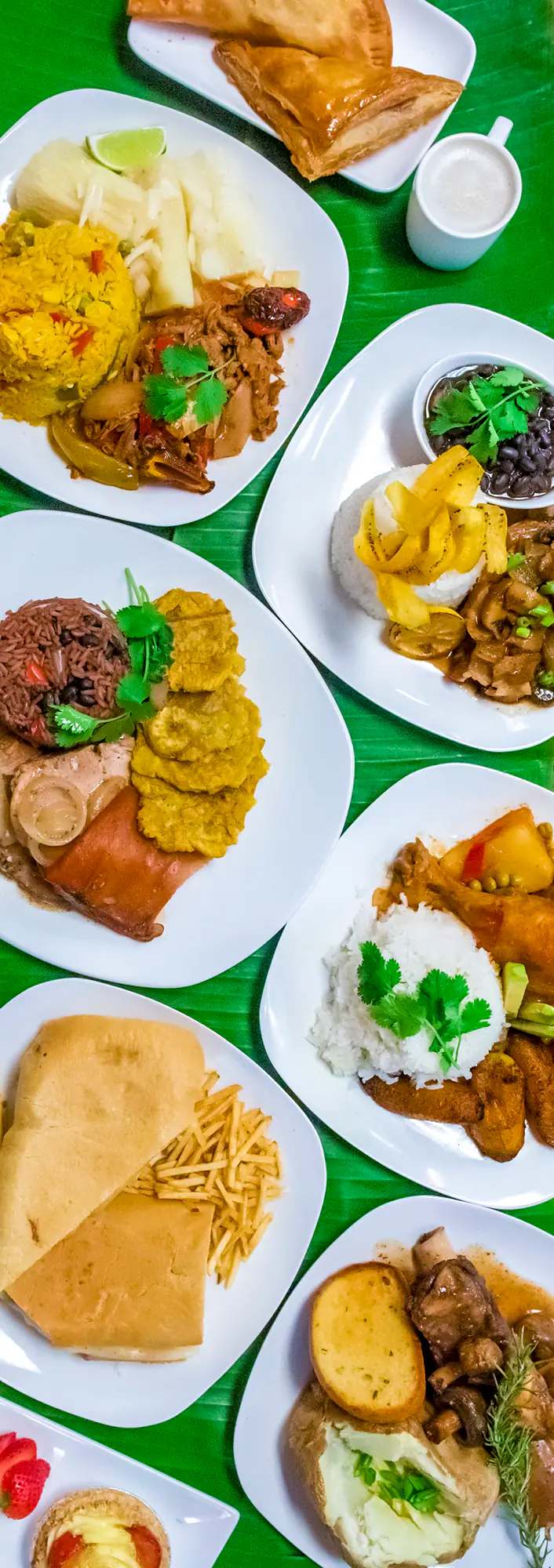
Aurora has no shortage of places to grab coffee, bread, or a quick lunch, but a good Cuban bakery offers something different. It is not just about pastry in the broad American sense, and it is not quite the same as a standard coffee shop with a display case. A strong Cuban bakery balances sweetness, salt, texture, and speed. It serves the person picking up breakfast before work, the family ordering pastries for a weekend gathering, and the regular who already knows exactly how they want their cortadito poured.
That balance is what makes the experience at a Cuban bakery Aurora CO location so appealing. You are usually looking at a case where every item seems to argue for its own place at the table. Guava pastries sit beside meat-filled turnovers. Croquettes wait near flaky puff pastry. Cakes and cookies promise dessert, while pressed sandwiches suggest a full meal. The best approach is not to think in terms of sweet versus savory as competing categories. They work together. A bakery visit often goes best when you order across both sides of the menu.
The bakery case tells you a lot
If you have spent time in Latin bakeries, you start to read a pastry case the way some people read a wine list. The arrangement matters less than the details. Are the pastelitos still crisp, or have they softened from sitting too long? Does the bread show a proper golden crust without looking dry? Are the croquettes uniform, which suggests care in preparation, or are they misshapen and heavy, which can hint at rushed production?
A Cuban bakery should feel generous. Not fancy for the sake of being fancy, but full of intention. The sweet items should look inviting without crossing into over-decorated. The savory items should smell like butter, bread, and seasoning, not just fryer oil. Even before you order, you can usually tell whether a shop treats baking as daily craft or as basic inventory management.
That matters because Cuban bakery food depends heavily on freshness. A guava and cheese pastry is simple on paper, but timing changes everything. When the pastry is fresh, the layers crackle lightly, the filling stays soft, and the sweetness lands cleanly. Leave it too long and the texture dulls. The same is true for savory staples like empanadas or potato balls. They are forgiving in flavor, but not in texture.
Why sweet pastries draw people in first
Most people new to a Cuban bakery start with the sweet side. That makes sense. The sweet selections are visually persuasive, and they often feel more approachable to someone who has not grown up with the cuisine. You can recognize fruit pastries, cookies, cakes, and custard-filled options from a distance, even if the names are unfamiliar.
The strongest sweet items at a Cuban bakery Aurora CO shop tend to rely on contrast rather than pure sugar. That is a key point. Cuban bakery sweets often taste rich and satisfying without becoming cloying. Guava, for example, brings floral fruitiness and mild tartness. Cream cheese softens that brightness and adds weight. Puff pastry contributes crunch and butter. None of those elements should dominate.
A classic pastelito de guayaba, or guava pastry, is often the gateway order. If it is made well, the pastry shatters slightly at the edges and gives way to a smooth, jamlike center. Add cream cheese and the result becomes even more balanced. It is the kind of item that works with coffee at 8 a.m. But still feels right as an afternoon snack.
Then there are coconut pastries, custard-filled options, and iced cookies that lean more celebratory. These can be excellent, though they demand a little more judgment from the bakery. Coconut can dry out fast. Custard can become too heavy if the pastry shell is weak. Frosted cookies are enjoyable when they have some snap or crumb underneath, but they disappoint when the sweetness overwhelms the texture.
Cake deserves its own mention. Cuban-style cakes, especially those used for birthdays and family events, often feature airy sponge, fruit filling, and whipped topping rather than thick buttercream. That makes them lighter than many grocery store cakes, though not necessarily subtle. A good slice feels festive without exhausting your palate. In practice, that means people actually finish it.
The savory side is where loyalty is built
Sweet items may bring in first-time customers, but savory food is what creates regulars. A bakery becomes part of someone’s routine when it can handle breakfast, lunch, and that awkward late morning hunger that lands between the two. The savory menu has to be consistent. People forgive a pastry they did not love. They are less forgiving about a dry sandwich or a greasy croquette.
Cuban savory bakery staples tend to revolve around a few core strengths: seasoned fillings, flaky dough, fried snacks done properly, and bread that can carry pressed sandwiches without becoming tough. None of this is complicated in concept. All of it is easy to get wrong in execution.
Take ham croquettes. They seem humble, and they are. They are also one of the best tests of a bakery kitchen. A good croquette has a creamy interior with distinct ham flavor, a crisp shell, and enough seasoning to stand on its own. A mediocre one tastes mostly of fryer oil and breadcrumbs. In a busy bakery, croquettes should move fast enough that you are getting them warm or recently refreshed. If they have been sitting too long, their whole appeal disappears.
Empanadas are another marker. Dough matters here. Some places rely on a heavy shell that eats like packed flour. Better bakeries keep the crust tender and structured, with a filling that tastes deliberate rather than generic. Beef, chicken, ham and cheese, and guava with cheese each bring something different, but all of them need proportion. Too much filling and the pastry bursts. Too little and it feels stingy.
Potato balls, often filled with seasoned beef, are especially satisfying when made well. They should not be dense. The mashed potato exterior needs to stay soft beneath a crisp fried coating. If the beef filling is underseasoned, the whole bite falls flat. If the potato layer is too thick, the balance skews bland. The best ones vanish quickly, which is usually a good sign.
Bread is the quiet backbone of the menu
A Cuban bakery can impress with pastries and still fail if the bread is an afterthought. Bread is not glamorous in the display case, but it supports the entire savory side of the operation. Cuban bread, when baked properly, should have a thin crust and a soft, airy interior that compresses slightly when pressed for a sandwich. It should taste fresh, not merely neutral.
That matters most in a Cuban sandwich. The sandwich itself sounds straightforward: roast pork, ham, Swiss cheese, pickles, mustard, pressed on Cuban bread. Yet every component has to pull its weight. Dry pork cannot be hidden by extra mustard. Bread that is too thick turns the sandwich from crisp and balanced into a chore. Cheese should melt into the meat rather than sit as a separate slab.
At a reliable Cuban bakery Aurora CO spot, the sandwich station often tells you as much as the pastry case. If the cooks work with confidence, if sandwiches come off the press hot and neatly compacted, if the bread cracks just enough when cut, you know the bakery understands its own food. There is skill in consistency, especially during busy hours when orders pile up.
Medianoche deserves attention too. It uses a softer, slightly sweeter bread than a standard Cuban sandwich. Some people prefer it because it creates a more delicate bite. Others find it too sweet for lunch. That is one of those genuine preference calls where there is no universal answer. If you like contrast between savory meat and a mildly sweet bread, medianoche often wins. If you want sharper structure and a bit more crispness, stick with the classic Cuban.
Pairing sweet and savory is the smartest way to order
One of the pleasures of visiting a Cuban bakery is that you do not need to choose one lane. This is not a place where dessert has to wait until after lunch. In practice, many regulars build an order that covers both moods.
A savory item first, followed by something sweet, tends to show the bakery at its best. Start with a croquette, a sandwich, or an empanada. Then add a pastelito, a slice of cake, or a cookie to take with you. The rhythm makes sense. Salt and richness wake up the appetite, while a sweet pastry rounds off the meal without requiring a full sit-down dessert course.
Coffee plays a huge role in that pairing. Cuban coffee is strong, often sweet, and meant to cut through pastry and fried foods alike. A cafecito can sharpen a buttery pastry. A cortadito, with milk softening the edge, works especially well with guava and cheese or a ham croquette. If you order blindly, this is usually a safe pattern: strong coffee, one savory item, one sweet item. You will get a much clearer sense of the bakery than if you only sample one category.
What to try first if you are new
For someone walking into a Cuban bakery for the first time, decision fatigue is real. The names may be unfamiliar, and everything can look equally tempting. In that situation, it helps to focus on items that reveal the bakery’s fundamentals.
Here are five strong first picks:
- Guava and cheese pastry, because it tests pastry texture and flavor balance.
- Ham croquette, because it reveals whether fried items are fresh and properly seasoned.
- Cuban sandwich, because the bread and press work have nowhere to hide.
- Beef empanada or potato ball, because both show how the kitchen handles savory fillings.
- Cortadito, because coffee is part of the full bakery experience, not a side note.
That combination is practical, not exotic. It gives you a read on sweet pastry, fried snacks, bread quality, and beverage standards in one visit.
A few details separate good from excellent
People often talk about authenticity as if it were a single switch, either on or off. In reality, quality usually comes down to judgment. A bakery can use familiar recipes and still miss the mark if it ignores small but important details.
Temperature is one of them. Pastries that should be crisp need timely turnover. Sandwiches need to leave the press at the right moment, not held too long under heat lamps. Coffee has to be brewed strong without tasting burnt. Fillings need seasoning that survives pastry dough and bread, both of which mute flavor.
Portioning matters too. There is a temptation in some bakeries to make everything oversized, assuming customers equate size with value. That often backfires. A massive pastry with too much filling becomes messy and one-note. An overstuffed sandwich can lose structural integrity halfway through. Cuban bakery food works best when each item remains easy to eat with one hand or on a short break.
Then there is the issue of sweetness level. American bakery habits sometimes push sugar higher than traditional Cuban profiles would require. The strongest bakeries resist that urge. They let guava taste like guava, coconut taste like coconut, and whipped cake frosting stay light enough to support the sponge rather than smother it.
Timing your visit makes a difference
If you want the widest selection, mornings are usually your best bet. That is when the pastry case is most complete and the bread supply is https://maps.app.goo.gl/qEESBrYZVLYNG3Gw8 strongest. Popular savory items may still be coming out in batches, and the whole bakery tends to feel lively. If you arrive late in the afternoon, you might still eat well, but you are more likely to encounter sellouts or items that have lost a bit of their original texture.
Weekend visits have their own energy. Families order boxes of pastries, coffee service moves fast, and cakes may be leaving the counter for parties and celebrations. That is often the best time to see how the bakery functions under pressure. A well-run shop holds quality even when the line grows.
If you are ordering for a group, it is smart to mix formats. A box of pastries alone can skew too sweet. Adding croquettes, empanadas, or sandwiches gives people options and keeps the table more balanced. Offices, family brunches, and casual gatherings all benefit from that mix.
Ordering for a group without overdoing it
Large bakery orders sound easy until you end up with too much of one thing and not enough of another. The most successful group orders cover texture, sweetness, and meal timing. People want a few immediate bites, but they also like something they can save for later.
A sensible group spread often includes these categories:
- Two or three sweet pastry varieties, usually one fruit-based and one cream-based.
- Two savory snack options such as croquettes and empanadas.
- A sandwich tray or several whole sandwiches cut into portions.
- Coffee for the group, especially if the event is in the morning.
- A cake only if the gathering has a clear celebration element.
That mix prevents the table from feeling repetitive. It also reflects how people actually eat from a Cuban bakery, grazing a little, then going back for a more decisive second choice.
Why local context matters in Aurora
Aurora’s dining scene is broad and practical. People value food that delivers comfort, flavor, and consistency without ceremony. That is part of why a Cuban bakery Aurora CO destination can build such a loyal following. It satisfies different needs at once. You can stop in for a fast breakfast, pick up lunch, bring pastries to a meeting, or order a cake for a family birthday. It fits real life.
There is also something important about bakery culture in a place like Aurora. Good local bakeries create routine. They become part of a neighborhood’s weekly pattern. Staff learn regular orders. Families return for the same cake style year after year. People bring newcomers there because it feels personal, not because it is trendy.
That kind of place earns trust slowly. It does not depend on novelty. It depends on showing up every day with bread that tastes fresh, pastries worth the calories, and savory food that feels like more than an afterthought. You notice when a bakery understands that.
The best choice is rarely either sweet or savory
The usual question, whether to order sweet or savory, misses the point. Cuban bakery menus were never designed to force that split. They invite combination. The meal can start with coffee and a croquette, continue with half a pressed sandwich, and end with a guava pastry wrapped for later. That sequence feels natural because the bakery itself is built around range.
If you are weighing options at a Cuban bakery Aurora CO shop, look for freshness, balance, and confidence in the basics. Choose a pastry that highlights fruit or cream cheese. Add a savory item that depends on bread or frying technique. Get the coffee. Pay attention to texture as much as flavor. The best bakeries distinguish themselves there, in the crisp shell, the soft crumb, the filling that tastes seasoned enough, and the pastry that does not collapse into sugar alone.
Sweet and savory are not opposite camps in this setting. They are two halves of the same bakery logic. One offers brightness, butter, fruit, and softness. The other brings salt, crunch, warmth, and substance. When both are done well, the choice becomes easy. You order a little of each, and you understand exactly why people keep coming back.
Cuba Bakery & Café
15028 E Mississippi Ave, Aurora, CO 80012
+1 303-752-2822
FAQ About Cuban bakery Aurora CO
What are Cuban pastries called?
Many small Cuban pastries are called pastelitos. They can have sweet or savory fillings, such as guava, cheese, guava and cheese, or seasoned meat. Cuba Bakery & Café lists guava, cheese, guava-and-cheese and beef pastries on its menu. Ask the bakery about current availability and ingredients when ordering.
What are traditional Cuban pastries?
Common Cuban bakery choices include flaky pastelitos filled with guava, cheese or meat. Cuban bakeries may also offer empanadas, breads and desserts alongside coffee. Cuba Bakery & Café lists pastelitos, several empanada fillings, pan Cubano and desserts such as tres leches and bread pudding. Selection can vary, so confirm the day's choices with the bakery.
What makes Cuban bread different?
Cuban bread is known for its light interior and a thin crust that becomes crisp when toasted or pressed. Traditional recipes often use lard, although ingredients vary by baker. It is commonly served as buttered toast or used for Cuban sandwiches. Cuba Bakery & Café lists pan Cubano and tostada on its menu; ask staff about the ingredients in their bread if you have dietary restrictions.